Unearthing and Selling Australia's Heritage Homes: A Guide for Savvy Agents
Australia, a young nation by global standards, boasts a rich tapestry of architectural history. From grand Victorian mansions in Melbourne to charming Federation cottages in Sydney, and iconic Art Deco apartments on the Gold Coast, our heritage homes are more than just bricks and mortar; they are tangible links to our past. For real estate agents, these properties represent a unique marketing challenge and an even greater opportunity. Selling a heritage home isn't just about listing square metres and bedrooms; it's about selling a story, a legacy, and a piece of Australian identity.
In today's competitive market, discerning buyers are increasingly looking for properties with character, soul, and a narrative. Heritage homes offer exactly that. However, effectively marketing these unique properties requires a specialised approach. This guide will equip you with the strategies and tools to unearth the value in Australia's heritage homes and connect them with buyers who truly appreciate their significance.
The Allure of the Past: Why Buyers Seek Heritage Homes
Before diving into marketing strategies, let's understand the fundamental appeal of heritage properties.
- Uniqueness and Character: In an era of mass-produced housing, heritage homes stand out. They possess unique architectural details, craftsmanship, and materials that are often irreplaceable today.
- Connection to History: Owning a heritage home offers a tangible connection to the past, to the stories of previous inhabitants, and to the evolution of Australian towns and cities.
- Quality Craftsmanship: Many older homes were built with superior materials and meticulous attention to detail, often resulting in greater longevity and a solid feel that modern constructions can struggle to replicate.
- Sense of Place and Community: Heritage homes are often situated in established, character-filled neighbourhoods, contributing to a strong sense of place and community.
- Investment Potential: While requiring careful consideration and often specialised maintenance, heritage homes can be excellent long-term investments, particularly for buyers seeking something distinctive.
Identifying and Researching Heritage Properties
Not all old houses are heritage-listed, and not all heritage-listed homes are easy to sell. The first step is accurate identification and thorough research.
What Constitutes a Heritage Home in Australia?
This can vary by state and local council, but generally includes properties:
- State Heritage Registers: Properties of state significance, often listed on a dedicated register.
- Local Government Heritage Inventories: Properties recognised by local councils for their historical, architectural, or cultural importance.
- Conservation Zones: Areas designated for their collective heritage value, where individual properties may be subject to specific guidelines.
- Significant Unlisted Properties: Homes that, while not officially listed, possess significant architectural merit or historical associations that contribute to the local streetscape and narrative.
The Importance of Provenance and Research
Understanding a property's history is paramount. This involves:
- Title Deeds and Land Records: Tracing ownership back through time.
- Local Historical Societies and Libraries: Accessing old photographs, newspaper clippings, and council archives.
- Architectural Surveys: Engaging experts to assess original features, materials, and potential heritage significance.
- Previous Owners and Neighbours: Gathering anecdotal evidence and stories.
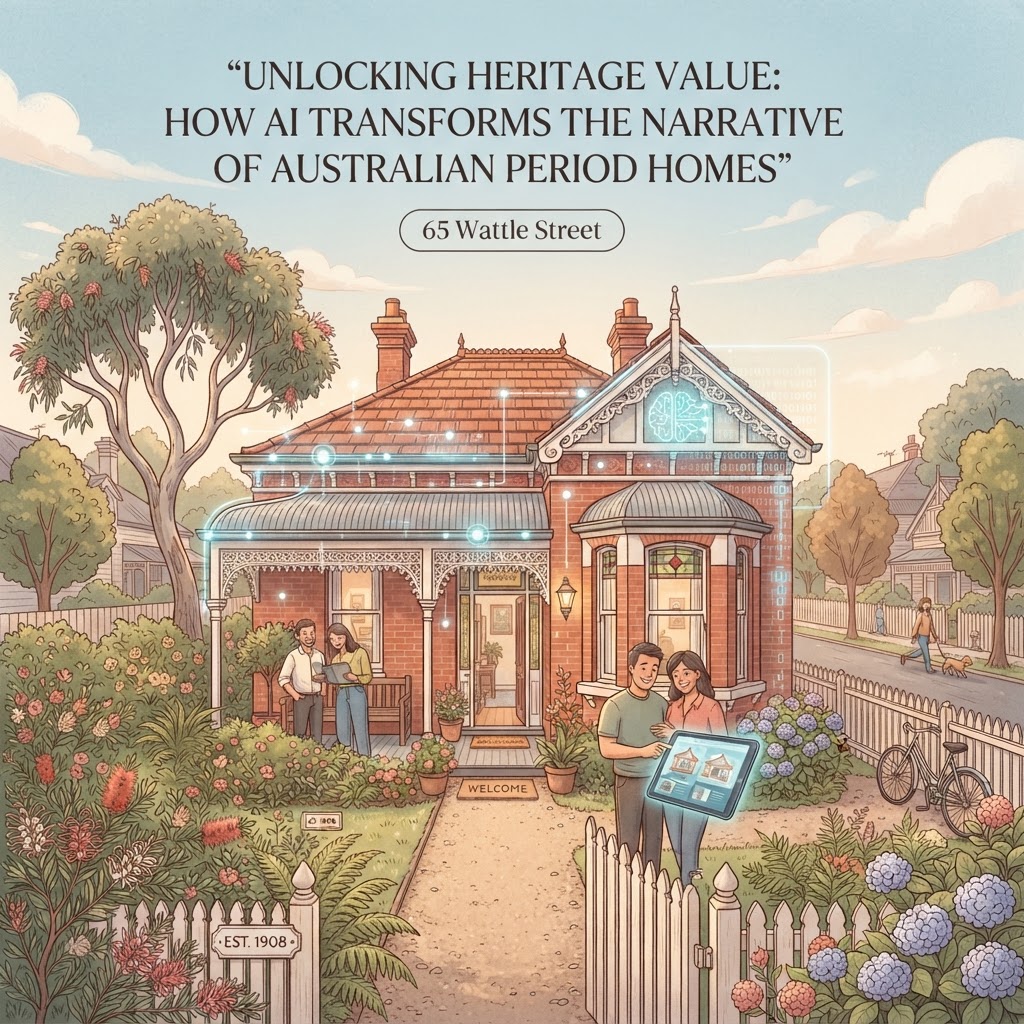
Tools like HomeHeritage can significantly streamline this process. By inputting the address, HomeHeritage can help agents access and collate historical data, architectural details, and even potential narratives associated with the property, saving hours of manual research.
Crafting a Compelling Narrative: The Story-Led Approach
This is where the real magic happens. A heritage home's story is its most powerful selling point. It transforms a transaction into an emotional connection.
Uncovering the Property's Story
Every heritage home has a story waiting to be told. Consider:
- Who built it? What was their profession, social standing, and vision?
- When was it built? What historical events were unfolding in Australia and the world at that time?
- What architectural style does it represent? (e.g., Victorian Filigree, Federation Queen Anne, Interwar Californian Bungalow, Art Deco)
- Who lived there? Were there any notable residents or significant events associated with the property?
- What makes it unique? Are there original features, hidden details, or special renovations?
Weaving the Narrative for Marketing Materials
Once you have the key elements of the story, weave them into your marketing.
- Property Descriptions: Go beyond square metres. Use evocative language that hints at the history and character. Instead of "large living room," try "a grand drawing-room that once hosted society gatherings."
- Website Content: A dedicated website for the property is crucial for heritage homes. This is where you can truly immerse potential buyers in the story. HomeHeritage excels here, providing a platform to beautifully showcase historical information, high-quality imagery, and architectural details, creating a rich digital experience.
- Social Media: Share snippets of the history, old photographs, or interesting facts about the property and its era.
- Open House Experience: Use signage with historical facts, play period-appropriate music softly in the background, or even have a printed historical brief available for visitors.
Visual Storytelling: Photography and Videography for Heritage Homes
How you present the property visually is as important as the narrative itself.
High-Quality Photography
- Highlight Original Features: Ensure the photographer captures intricate cornices, stained-glass windows, original fireplaces, unique hardware, and ornate woodwork.
- Showcase Architectural Style: Wide shots that capture the home's facade and overall form are essential to demonstrate its architectural merit.
- Emphasise Natural Light: Heritage homes often have beautiful, large windows. Maximise natural light in your photos.
- Context is Key: Include shots of the home within its streetscape and neighbourhood, especially if the area itself has heritage significance.
Engaging Video Content
- Walk-Through Tours: A video allows buyers to experience the flow and atmosphere of the home.
- Historical Narration: Incorporate voice-overs that tell the property's story as the viewer moves through the space.
- Drone Footage: If appropriate, drone footage can offer stunning perspectives of the property and its setting.
- Featurette Style: Consider a short documentary-style video focusing on the unique architectural elements and the property's history. HomeHeritage's platform can seamlessly integrate these videos, enhancing the online experience.
Targeting the Right Buyers
Heritage homes appeal to a specific segment of the market. Identifying and reaching them is key to a successful sale.
Who is the Heritage Buyer?
- History Enthusiasts: Individuals passionate about preserving the past and living within historical contexts.
- Architectural Aficionados: Buyers who appreciate specific architectural styles and craftsmanship.
- Affluent Buyers Seeking Uniqueness: Those who desire a home that stands out from the crowd and offers a sense of prestige.
- Families Seeking Character and Space: Families looking for established neighbourhoods with larger blocks and distinctive homes.
- Investors Focused on Character Assets: Buyers who recognise the long-term value and rental appeal of unique heritage properties.
Marketing Channels to Reach Them
- Specialised Property Portals: Listing on platforms that cater to unique or luxury properties.
- Targeted Social Media Campaigns: Using demographic and interest-based targeting to reach potential buyers interested in history, architecture, or specific suburbs known for heritage homes.
- Local Publications and Heritage Groups: Advertising in local newspapers, community newsletters, and partnering with local historical societies.
- Direct Marketing: Identifying and contacting previous buyers of similar properties or individuals known to appreciate heritage.
- Your Own Professional Website: A well-designed agent website showcasing your expertise in heritage listings is essential. HomeHeritage's AI-powered tools can help you create bespoke websites for each heritage listing, making your agency the go-to for these special properties.
Navigating Regulations and Heritage Guidelines
Selling a heritage home often comes with specific considerations regarding renovations, extensions, and alterations.
Understanding Heritage Overlays and Controls
- Local Council Planning Schemes: Familiarise yourself with heritage overlays that apply to the property or its streetscape.
- Permits and Approvals: Be aware that significant changes may require heritage impact assessments and council approval.
- Heritage Consultants: In complex cases, a heritage consultant can be invaluable for advising owners and potential buyers.
Presenting the Information Honestly
Transparency is crucial. Buyers need to understand the implications of heritage status. Be prepared to discuss:
- Any existing heritage restrictions.
- The process for seeking approvals for modifications.
- Potential costs associated with heritage compliance.
Providing access to relevant council documents or heritage reports upfront builds trust and manages expectations.
The Role of AI in Modern Heritage Property Marketing
While the charm of heritage homes is rooted in the past, the tools to market them are increasingly modern.
How AI Enhances Heritage Marketing
- Automated Research: As mentioned, AI tools can rapidly gather historical data, saving agents significant time.
- Content Generation: AI can assist in drafting compelling property descriptions, social media posts, and even website copy, tailored to a heritage context.
- Personalised Buyer Matching: AI can analyse buyer data to identify individuals most likely to be interested in a heritage property.
- Visual Enhancements: AI tools can assist with photo editing, colour correction, and even virtual staging for heritage properties.
- Dedicated Property Websites: Platforms like HomeHeritage leverage AI to create immersive, story-driven websites for individual heritage listings, showcasing their unique appeal more effectively than standard portal listings.
HomeHeritage: Your AI Partner for Heritage Sales
HomeHeritage is specifically designed for agents selling properties with a story. Our AI-powered platform helps you:
- Generate beautiful, bespoke websites for each heritage listing, complete with historical context, architectural details, and rich media.
- Automate much of the research and content creation process, allowing you to focus on client relationships and strategy.
- Create a more engaging and informative experience for potential buyers, leading to higher quality leads.
- Position your agency as a specialist in the lucrative heritage property market.
Pricing and Valuing Heritage Homes
Valuing a heritage home requires a nuanced approach that goes beyond comparable sales of modern properties.
Factors Influencing Value
- Heritage Significance: The level of listing and its associated protections or restrictions.
- Architectural Integrity: The preservation of original features and overall condition.
- Rarity: How unique the property is within its local market.
- Condition and Maintenance: The cost of ongoing upkeep and any necessary restoration.
- Location and Streetscape: Its placement within a desirable heritage precinct.
- Buyer Demand: The number of motivated buyers interested in heritage properties.
Working with Buyers and Sellers
- Educate Sellers: Ensure sellers understand that while heritage can add value, it can also limit the pool of buyers and potentially increase maintenance costs.
- Educate Buyers: Be transparent about the responsibilities and potential joys of owning a heritage home.
- Comparable Sales (with caution): Use comparable heritage sales where possible, but understand that each heritage home is unique.
Conclusion: The Future is Historic
Australia's heritage homes are a precious asset. As real estate agents, you have the unique opportunity to be custodians of their stories and facilitators of their next chapter. By embracing a story-led marketing approach, leveraging high-quality visuals, targeting the right buyers, and utilising modern tools like HomeHeritage, you can unlock the full potential of these remarkable properties.
Don't just list a house; sell a piece of Australian history. Unearth the stories, craft compelling narratives, and connect with buyers who understand that some things are truly timeless. The demand for character and authenticity is growing, and agents who specialise in heritage properties are poised for exceptional success.