The Emotional Currency of Heritage Real Estate
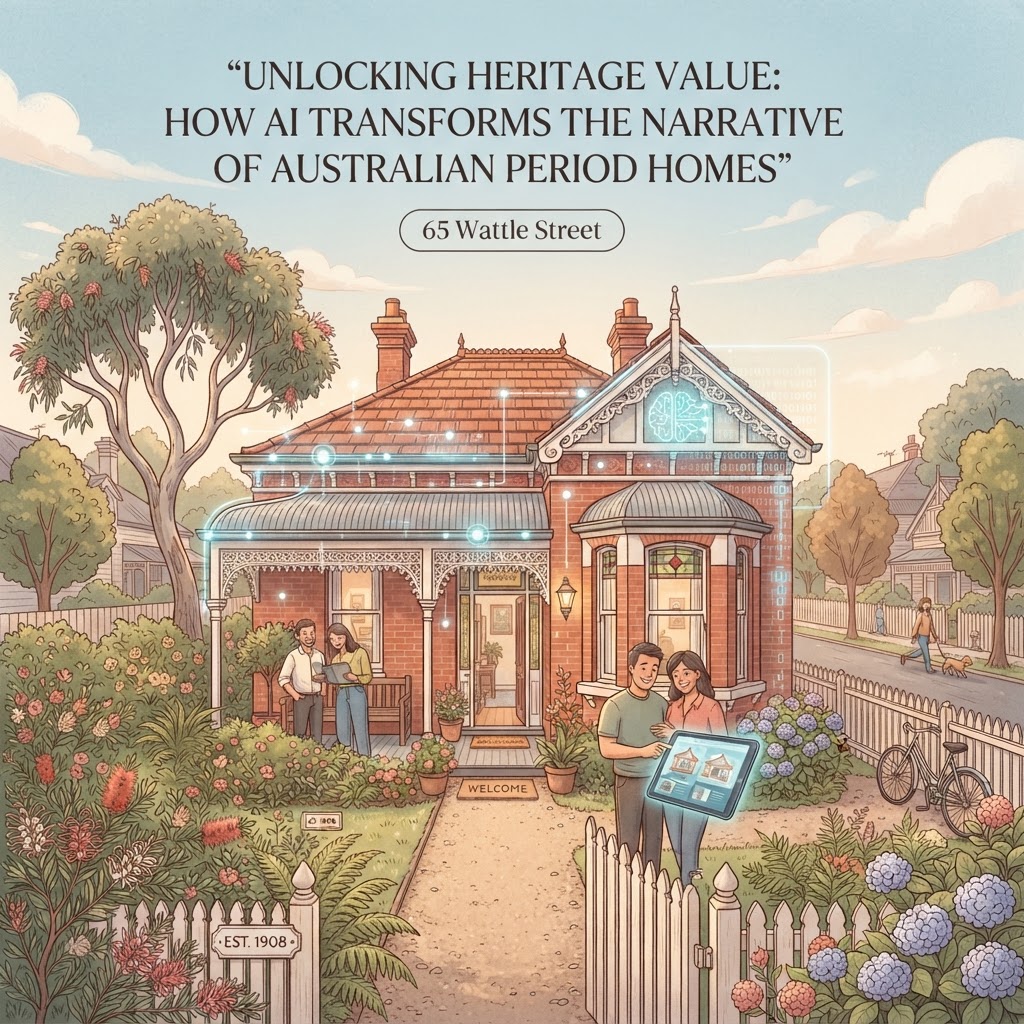
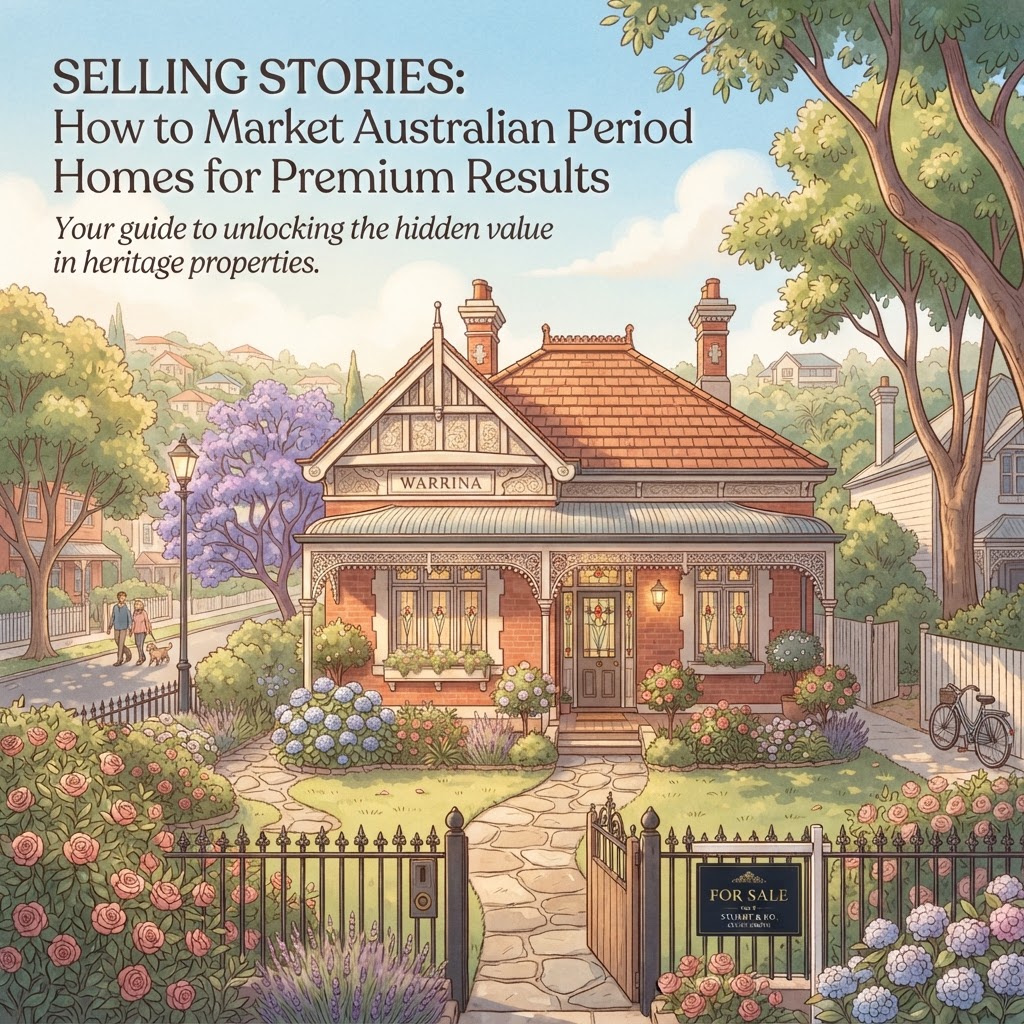
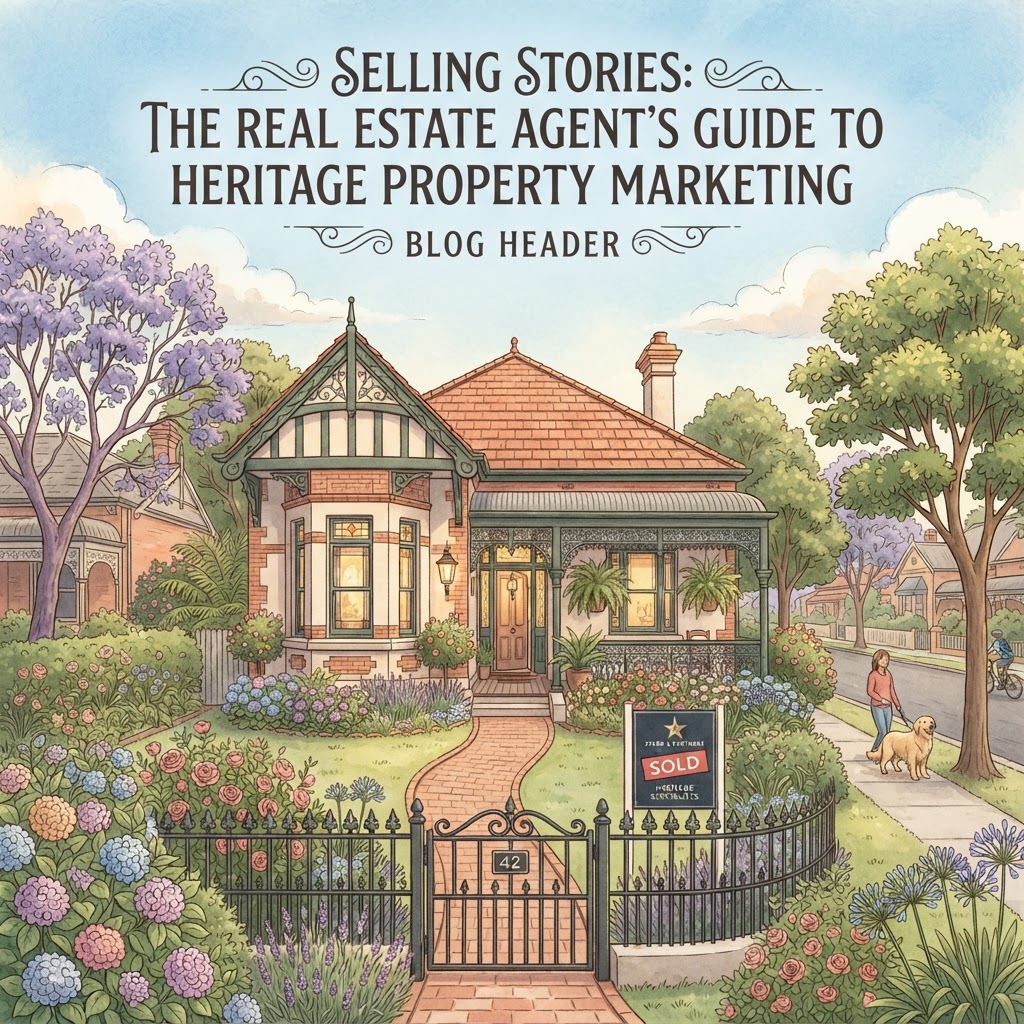
For an Australian real estate agent, listing a property with architectural pedigree is both a privilege and a unique challenge. Unlike modern builds that are marketed on features—stone benchtops, smart wiring, and open-plan layouts—heritage homes are marketed on soul, story, and status. Buyers of Victorian terraces, Federation cottages, or Art Deco apartments aren't just buying square metres; they are purchasing a piece of Australian history. To convert interest into a premium sale, you must pivot from listing data to telling stories. This is where the narrative becomes the most powerful tool in your sales kit.
Why Heritage Properties Require a Narrative-First Approach
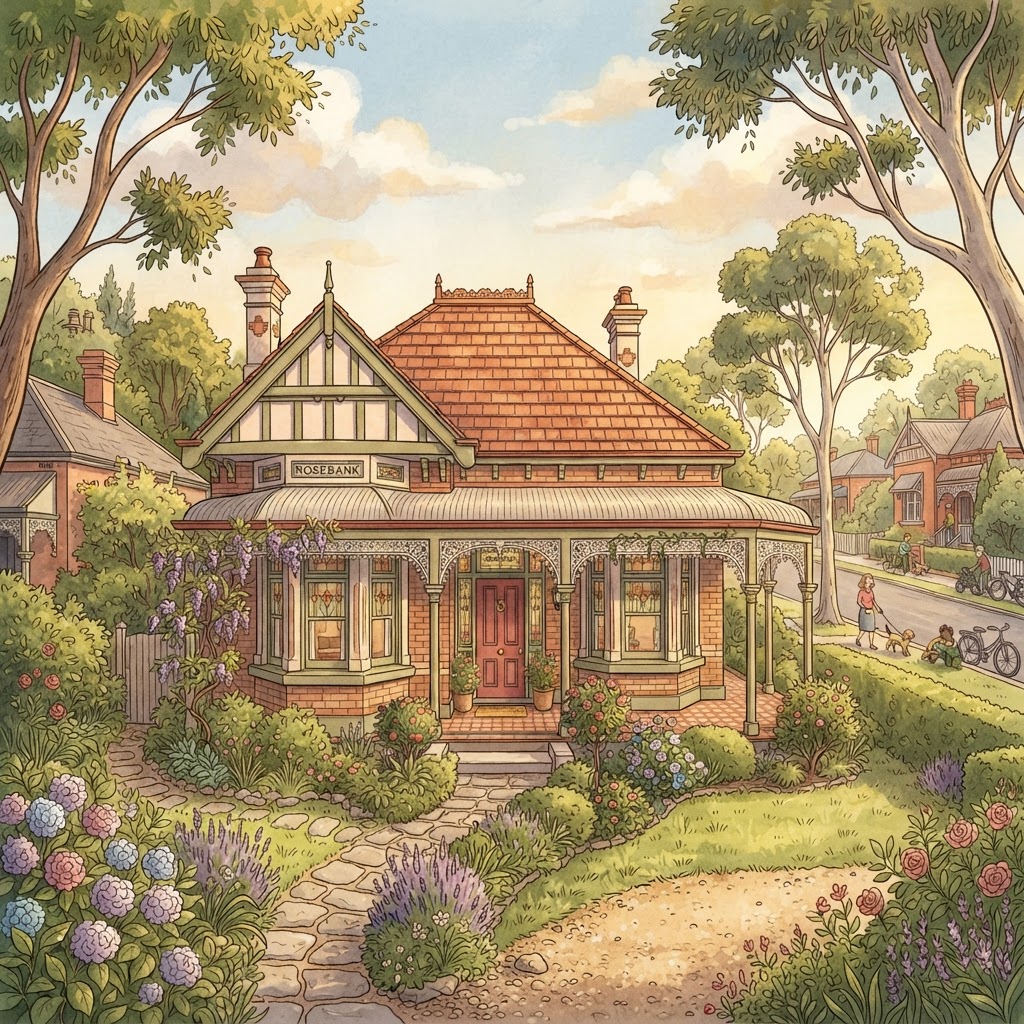
When a buyer walks into a 1920s bungalow, they are looking for connection. They want to know who walked these floorboards before them and why the architectural details—the leadlight glass, the pressed tin ceilings, the wrap-around verandah—matter. When agents rely solely on technical specs, they commoditise the property. By using narrative-first marketing, you elevate the home into an experience.
The Provenance Paradox
Many agents struggle to find enough historical detail to fill a property brochure. This is where HomeHeritage acts as a vital bridge. By using AI to synthesise historical archives and architectural records, HomeHeritage allows agents to uncover the hidden provenance of a home, transforming mundane property descriptions into compelling historical narratives that justify a higher price point.
Practical Tips for Marketing Your Next Period Listing
To master the sale of a heritage property, you need a strategy that blends the romanticism of the past with the efficiency of modern digital marketing.
- Research the Architect and Era: Understanding the design philosophy of the period helps you frame the home's features in context.
- Highlight Craftsmanship: Modern homes are mass-produced; heritage homes are handmade. Point out specific artisanal details like hand-carved fretwork or original fireplaces.
- Use AI to Enhance Descriptions: Tools like HomeHeritage help you articulate the value of character features that buyers might otherwise overlook.
- Curate the Heritage Narrative: Create a dedicated digital space for the home's story, separate from generic listing portals, to control the buyer's journey.
Integrating Technology into Traditional Sales
Some agents fear that technology strips the charm away from heritage homes. In reality, AI can amplify it. When you use tools designed for this specific niche, you aren't removing the human touch; you are streamlining the research process so you can focus on the relationships that close deals. HomeHeritage provides the backbone of information—the historical context and stylistic nuances—leaving you free to act as the storyteller.
Creating a 'Heritage Journey' for Buyers
Modern buyers are digitally native. They expect immersive online experiences. Instead of a static PDF, provide a curated digital journey. Use high-resolution photography combined with the historical data points generated by AI to build a 'story-led' property website. This positions the property as an asset of cultural significance, rather than just another listing on the market. It builds emotional investment, which is the primary driver for competitive bidding in the Australian prestige market.
Conclusion: The Future is Past
Marketing heritage property is an art form. By combining the unique architectural character of Australia’s housing stock with the precision of AI-driven narrative tools, agents can ensure they are not just selling a house, but preserving a legacy. With the help of platforms like HomeHeritage, you can reclaim your role as a trusted advisor and curator of history, ensuring that every heritage listing achieves its maximum potential value.