The Shift in Heritage Marketing
In the competitive Australian real estate market, heritage and period homes hold a unique position. They are not merely floor plans and brick counts; they are vessels of local history and architectural character. For the modern real estate agent, the challenge lies in moving beyond the standard "three-bedroom, federation-style" listing description to something that captures the imagination of prospective buyers. Buyers in the current market are not just looking for a roof over their heads—they are looking for a lifestyle and a sense of belonging to a timeline greater than their own.
Why Provenance Sells
There is a deep-seated psychology to why Australians gravitate toward heritage homes. It is the desire for authenticity in an increasingly digital and mass-produced world. When you market a Victorian terrace, a Queenslander, or an Art Deco apartment, you are effectively selling a piece of the Australian story.
The Role of Research
To command a premium price, you must do more than list the features. You must uncover the narrative. This includes researching the original builders, the architectural nuances of the period, and how the home has evolved over the decades.
- Tip: Visit local council archives or the National Trust to find historical photographs of the streetscape.
- Tip: Interview long-term neighbours who might remember the home’s history before the current renovations.
- Tip: Use AI tools to quickly summarise historical architectural styles to add authority to your copy.
Leveraging HomeHeritage for Digital Storytelling
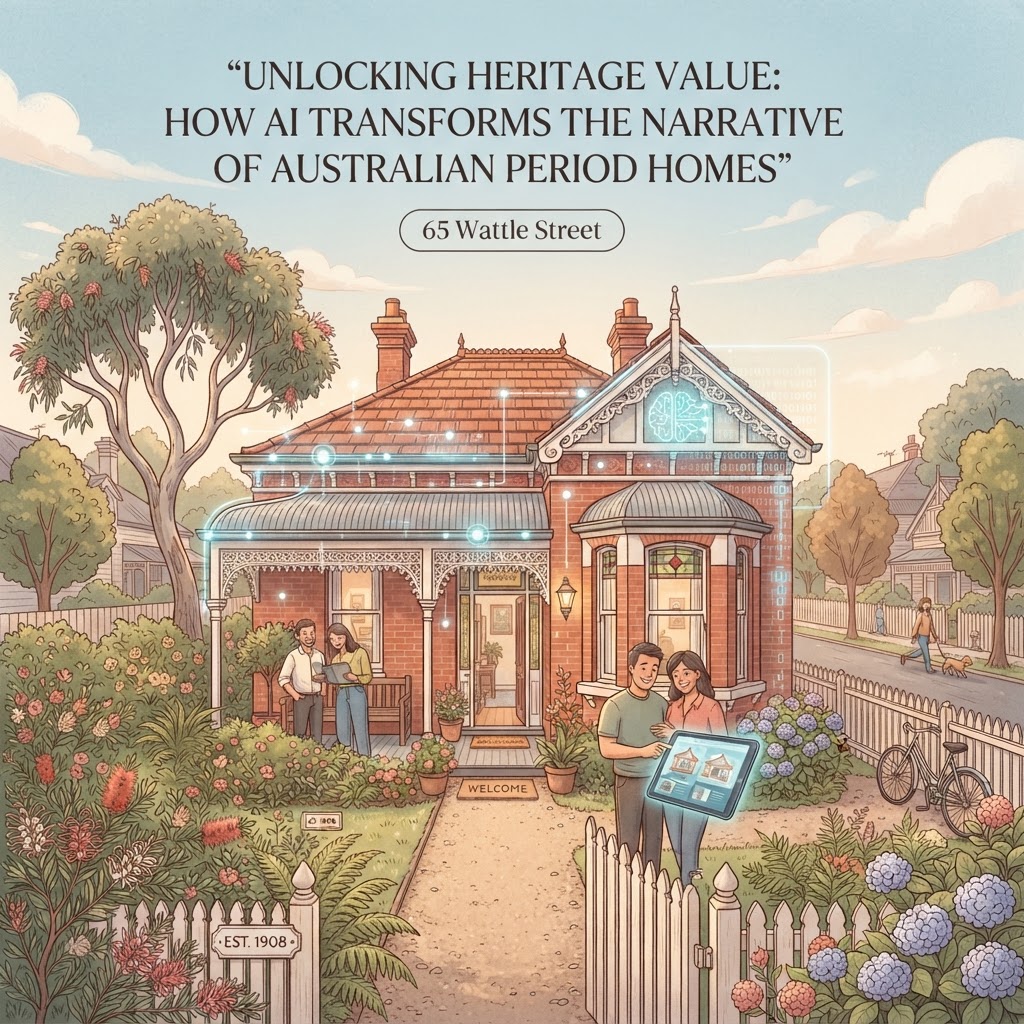
Historically, compiling this depth of information was a time-consuming labour of love. Today, platforms like HomeHeritage streamline this process, allowing agents to curate historical data and architectural context into a cohesive, professional narrative. By using AI to identify the specific heritage features of a property, HomeHeritage helps agents create digital brochures that resonate deeply with heritage-conscious buyers, ensuring that the "soul" of the home is front and centre from the first click.
Structuring Your Property Story
When drafting your listing campaign, think of the home as the protagonist in an unfolding drama. Here is how to structure your campaign for maximum impact:
1. The Opening Hook: Atmospheric Imagery
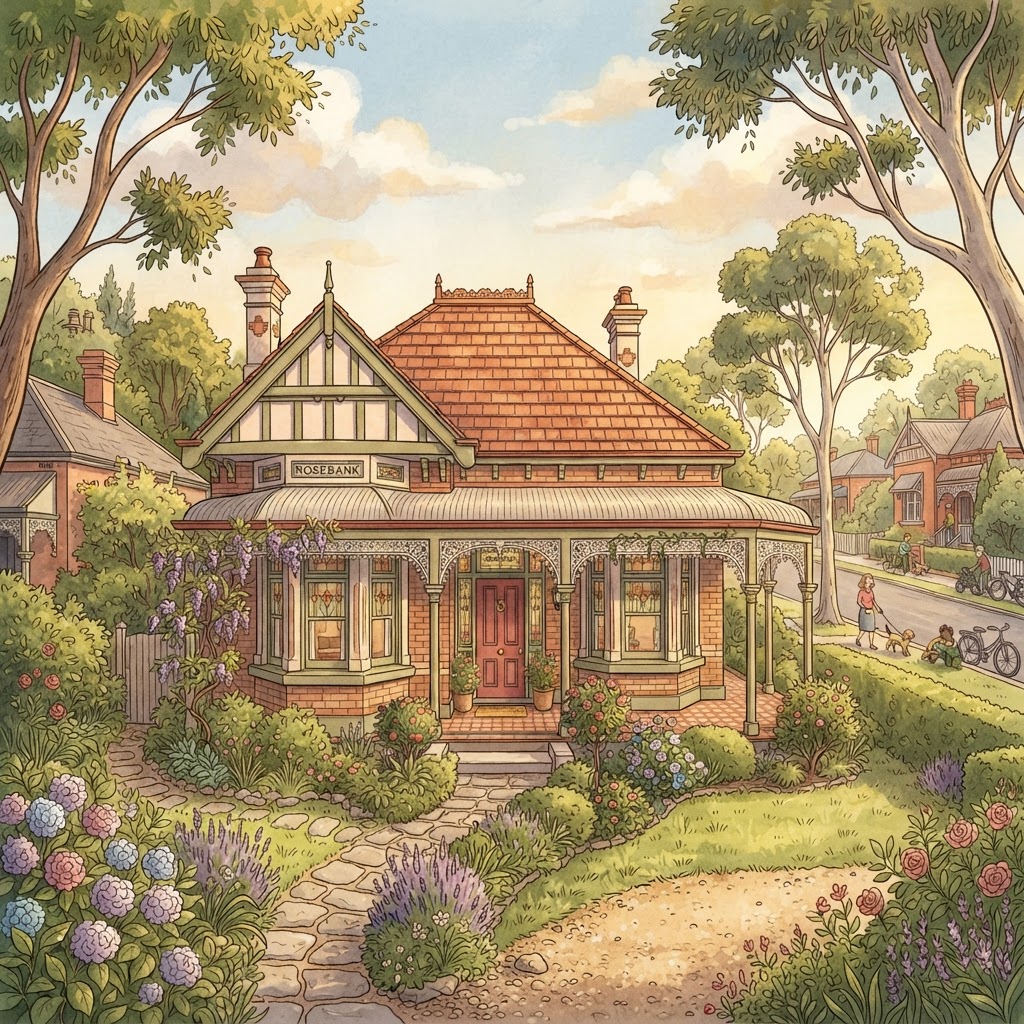
Start with a sensory description. Instead of leading with "located in the heart of the suburb," start with how the light hits the original leadlight glass in the morning, or the history embedded in the original floorboards.
2. The Architectural Context
Educate your buyer. Explain why the high ceilings or the wrap-around veranda were designed that way. When buyers understand the "why" behind the design, they gain a newfound respect for the craftsmanship, which often justifies a higher valuation.
3. The Future Legacy
Frame the purchase not just as a transaction, but as a stewardship. You are looking for a buyer who wants to be the next custodian of the home. This shifts the negotiation from price-based to value-based.
Practical Steps for Agents
To implement a narrative-led strategy, consider these practical steps:
- Content-Rich Floor Plans: Attach an "architectural significance" addendum to your floor plans that highlights heritage features.
- Video Narratives: Create short-form social media content that explores one unique feature of the home each day leading up to the open house.
- HomeHeritage Integration: Use the AI-assisted tools within HomeHeritage to generate high-quality listing copy that automatically highlights the heritage significance of the property, freeing you up to focus on client relationships.
Conclusion: The New Standard for Period Sales
The future of selling Australia's most character-filled homes lies in the blend of human intuition and technical precision. By investing time into the story of the home, you turn an ordinary listing into an unmissable destination. Embrace tools like HomeHeritage to ensure that your marketing materials match the quality of the properties you represent, and you will find that you are not just selling houses—you are selling history.