The Lost Art of the Property Story
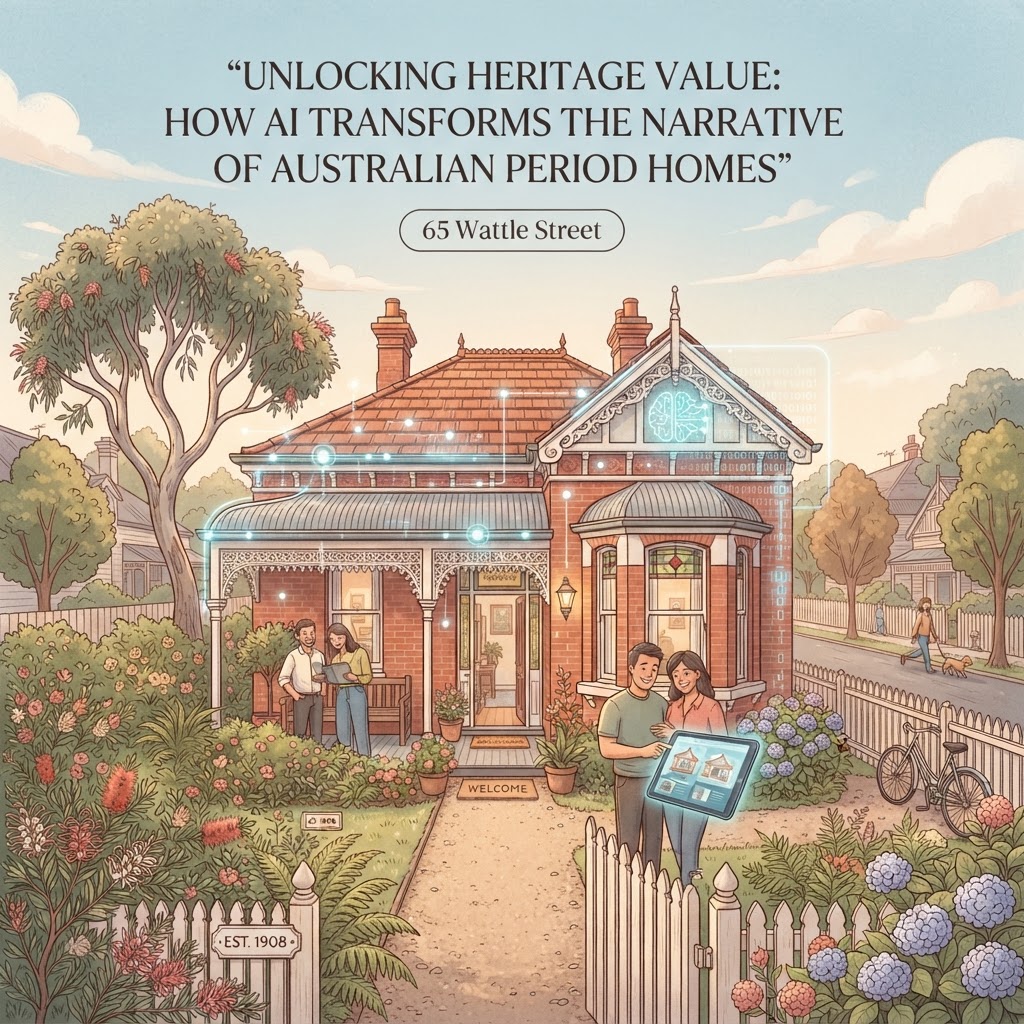
In the competitive Australian property market, a listing for a Victorian terrace or a Federation bungalow often risks becoming lost in a sea of generic descriptions. While high-quality photography and floor plans are the baseline, the emotional 'hook'—the story of the home—is what truly drives premium results. As a real estate agent, you are not just selling bricks and mortar; you are curating a lifestyle that spans generations. This is where the intersection of architectural history and artificial intelligence becomes your greatest asset.
The Psychology of Heritage Buyers
Heritage buyers are rarely looking for a simple shelter. They are looking for a connection to the past, a unique aesthetic, and a sense of permanence. When a buyer walks through a property with original pressed-metal ceilings or leadlight windows, they are imagining themselves as the next steward of that history. However, if your listing copy fails to bridge the gap between architectural features and lived human experience, you leave money on the table.
Why Emotional Resonance Matters
Emotional resonance in marketing directly correlates to higher engagement. When a buyer feels the 'soul' of a house, they stop viewing it as a commodity to be negotiated down and start viewing it as a trophy to be won. This is the cornerstone of the HomeHeritage approach—turning the static facts of a property into a compelling, AI-augmented narrative.
Leveraging AI to Research and Reveal History
Gone are the days of spending hours in the local council archives or microfilm libraries to find the perfect snippet of history to spice up your listing. Modern agents are using AI tools to streamline the research process.
Practical Steps to Building a Narrative:
- Identify the Architectural Era: Use AI to categorise the specific style (e.g., Italianate, Arts and Crafts) and highlight the key design elements that make it unique.
- Contextualise the Neighborhood: Connect the home to the broader history of the suburb. Was the street established during a specific gold rush or a post-war expansion?
- Automate the Creative Flow: Use HomeHeritage to synthesise complex architectural data into elegant, evocative listing descriptions that appeal to the specific demographic interested in character homes.
Making the Invisible Visible: AI-Powered Narratives
One of the most effective ways to use platforms like HomeHeritage is to highlight the 'hidden' features of a home. Perhaps the fireplace mantel was crafted by a renowned local carpenter in the 1920s, or the floorboards were sourced from a specific historical mill. AI can help you weave these granular details into a seamless story that makes the home feel one-of-a-kind.
Tip for Agents:
Don't just list the features; list the experience. Instead of saying 'Original timber flooring', try: 'Restored Kauri pine floorboards that have witnessed a century of family gatherings.'
Overcoming the 'Fixer-Upper' Stigma
Many period homes suffer from a reputation for being 'too much work'. AI-led storytelling can help shift the narrative from 'maintenance burden' to 'restoration project'. By positioning the home as a unique canvas for a buyer's creative expression, you shift the perspective. When you pair an AI-generated story that highlights the potential for modern living within a historical shell, you attract the right audience—those who value heritage character over cookie-cutter modern builds.
Final Thoughts: The Human-AI Partnership
Technology will never replace the expertise of an experienced Australian real estate agent. Your ability to build rapport, conduct inspections, and negotiate a sale is irreplaceable. However, by offloading the narrative heavy lifting to tools like HomeHeritage, you free yourself to focus on what you do best: selling the dream.
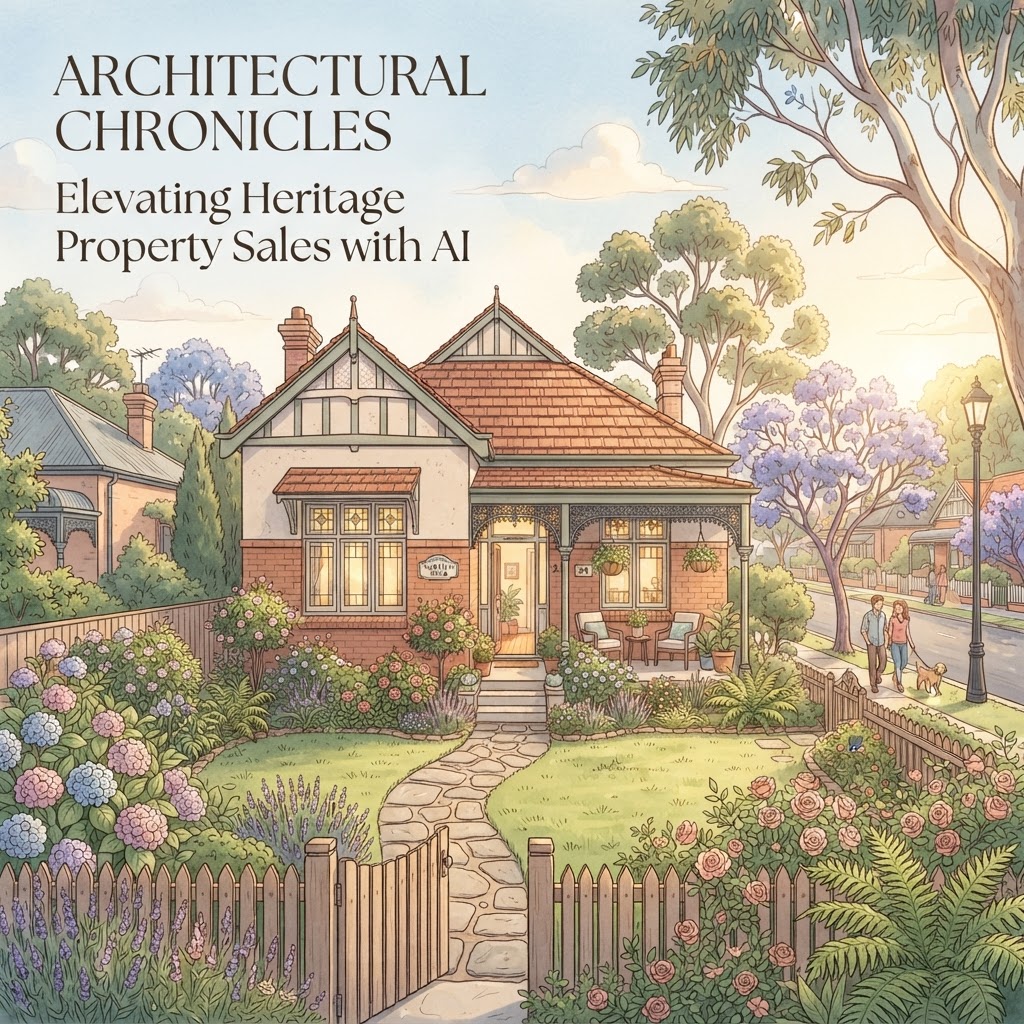
By embracing the 'Architectural Chronicle' approach, you ensure your listings stand out as iconic, memorable, and ultimately, more valuable. In an era where digital noise is constant, a well-told story is the ultimate luxury.